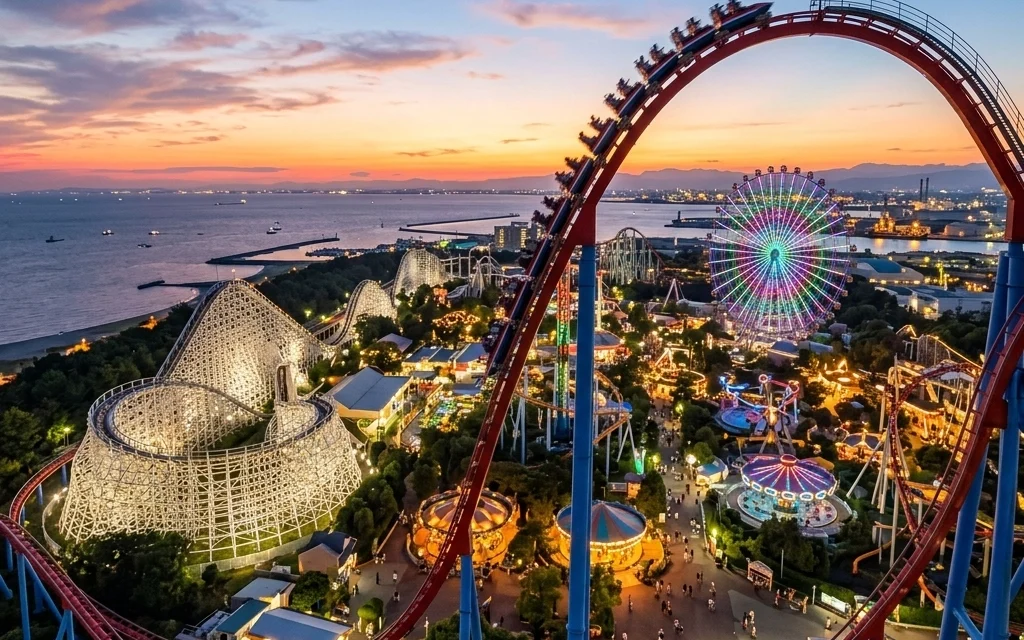
If you’ve ever scrolled through Instagram and wondered where those mind-bending shots of giant, white wooden roller coasters against a neon sunset came from, there’s a good chance it was Nagashima Spa Land. Located just outside Nagoya in Mie Prefecture, this place is a chaotic, beautiful, and high-octane dream for photographers.
As we move through 2026, the park has only become more iconic. Whether you’re a professional looking to pad your portfolio with some architectural adrenaline or a hobbyist trying to level up your travel game, Nagashima is one of the best photography locations in Japan.
But here’s the thing: you can’t just walk in, point your camera at a loop-de-loop, and expect magic. You need a plan. You need to know which angles work, when the light hits the tracks just right, and how to handle the sheer scale of the Steel Dragon 2000. That’s where I come in. Let’s break down how to crush your Nagashima photo sesh.
Getting There and Setting the Scene
Before you start worrying about your ISO settings, you have to actually get to the park. Most people stay in Nagoya and take a bus, but if you’re coming from further afield, I highly recommend booking a specialized transport or a guided experience to save your energy for the shooting. You can find some great travel options and tours here to make the journey a breeze.
Nagashima Spa Land is massive. It’s part of a larger resort that includes a water park, an outlet mall, and the famous Nabana no Sato flower park. In 2026, the crowds are as vibrant as ever, so arriving early isn't just a suggestion, it's a requirement if you want clean shots before the mid-day haze and "human clutter" set in.
The "Big Three" Photo Spots
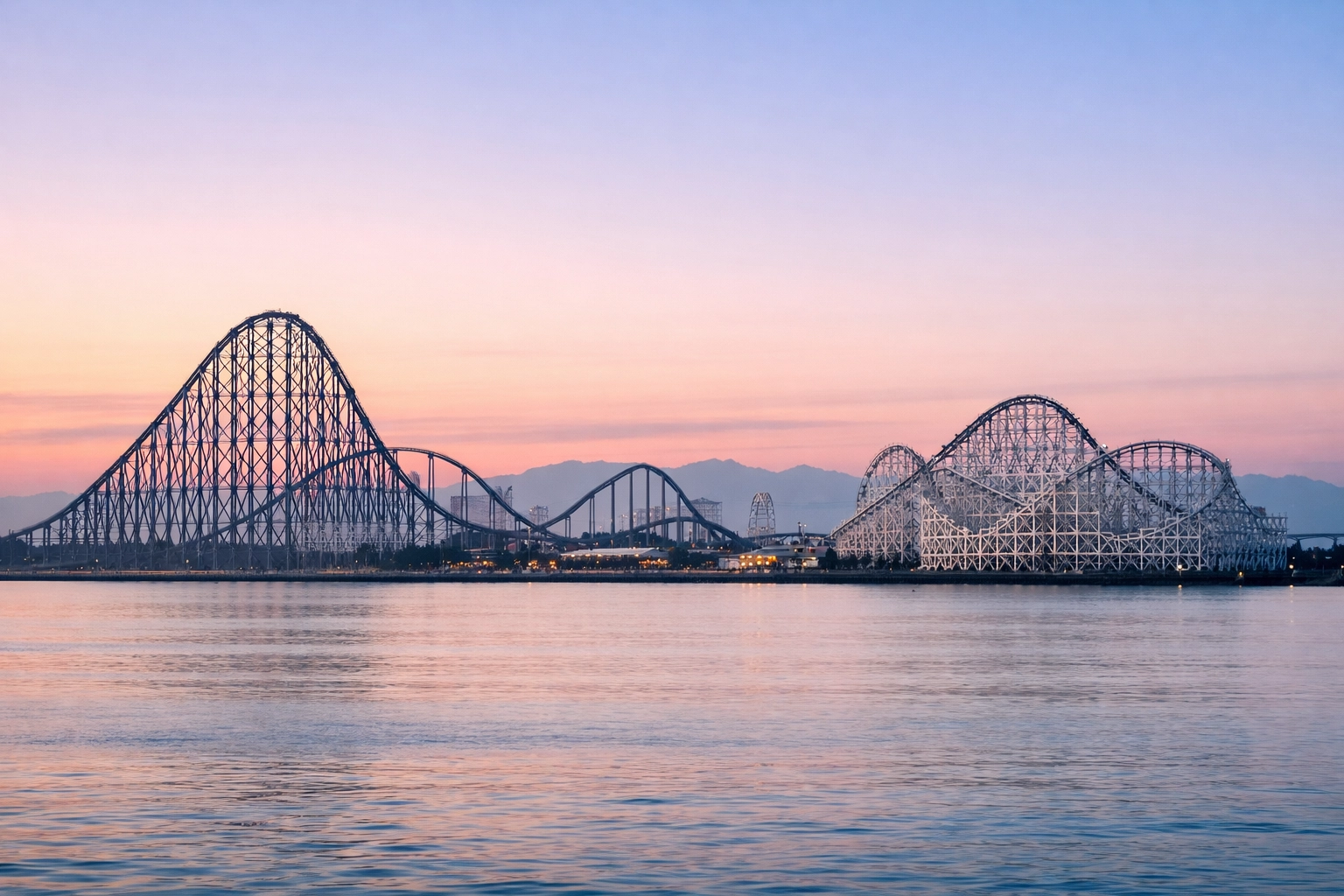
You’re here for the coasters. Let’s not pretend otherwise. These are the structural masterpieces that make this one of the premier photo spots in Asia.
1. Steel Dragon 2000: The Beast
This thing is a Guinness World Record holder for a reason. It’s long, it’s tall, and it’s a metallic dragon that snakes across the park. The best place to shoot this is from the perimeter. Because the track runs along the edge of the park near the coastline, you can get incredible wide shots that show the scale of the lift hill against the Ise Bay.
Pro Tip: Use a telephoto lens from a distance to compress the scene. It makes the drops look even more vertical and terrifying.
2. Hakugei (White Whale): The Texture King
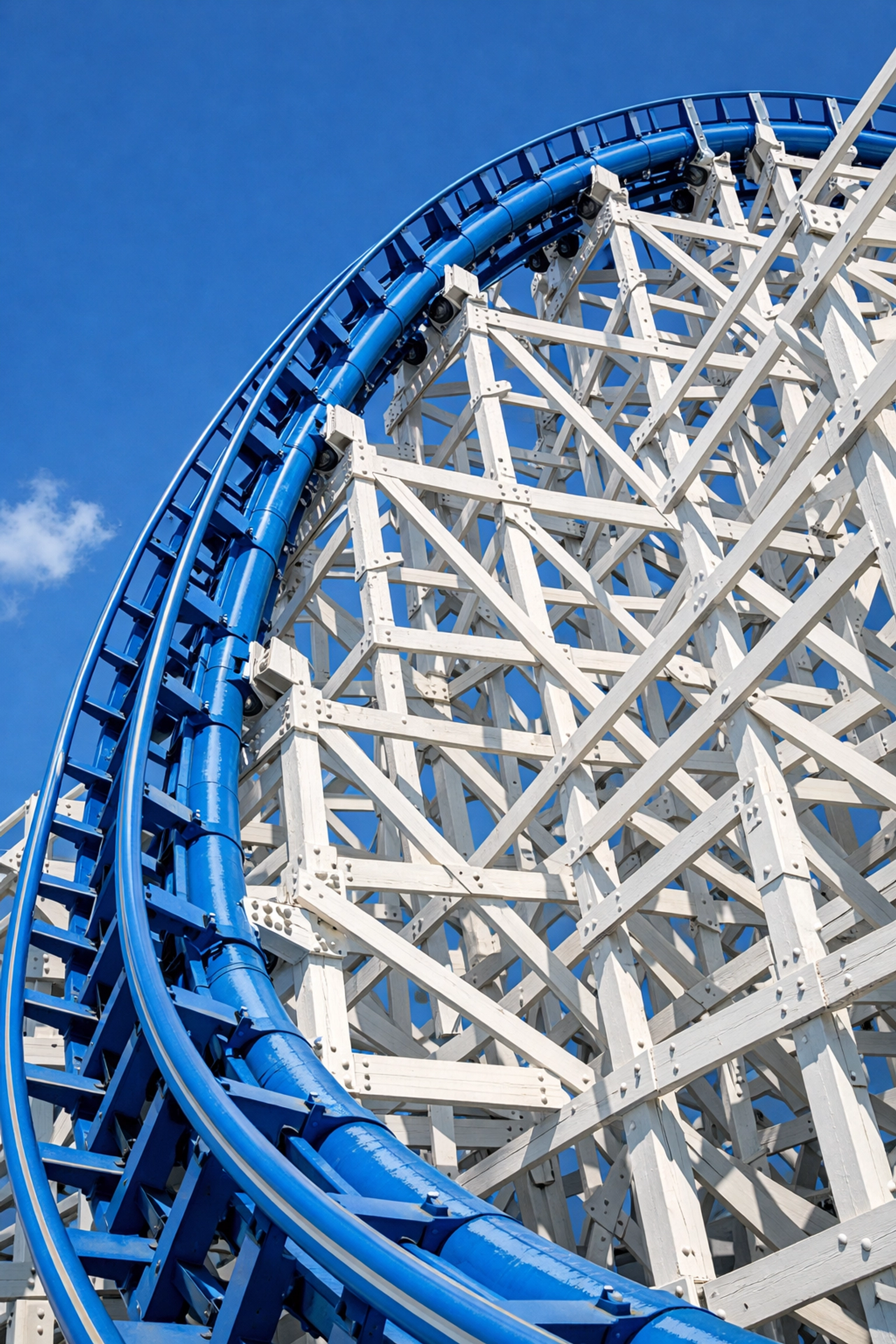
Hakugei is a hybrid coaster, wood and steel, and it is arguably the most photogenic structure in the park. The white-painted wooden supports create a dizzying geometric pattern that looks incredible in black and white or high-contrast color edits.
If you’re looking for more technical advice on how to handle these complex structures, check out our pillar post: Mastering Photography: The Ultimate 2026 Guide for Every Skill Level.
3. Arashi: The Chaos
Arashi is a 4D spin coaster. It’s smaller than the others but much more erratic. This is where you practice your panning shots. Tracking a car as it flips upside down while moving along the track is a challenge, but when you nail it, the sense of motion is unparalleled.
Timing is Everything: Golden Hour and Fireworks
In 2026, Nagashima Spa Land has leaned even further into its evening appeal. While daytime shots are great for showing off the bright primary colors of the rides, the "Golden Hour" here is transformative.
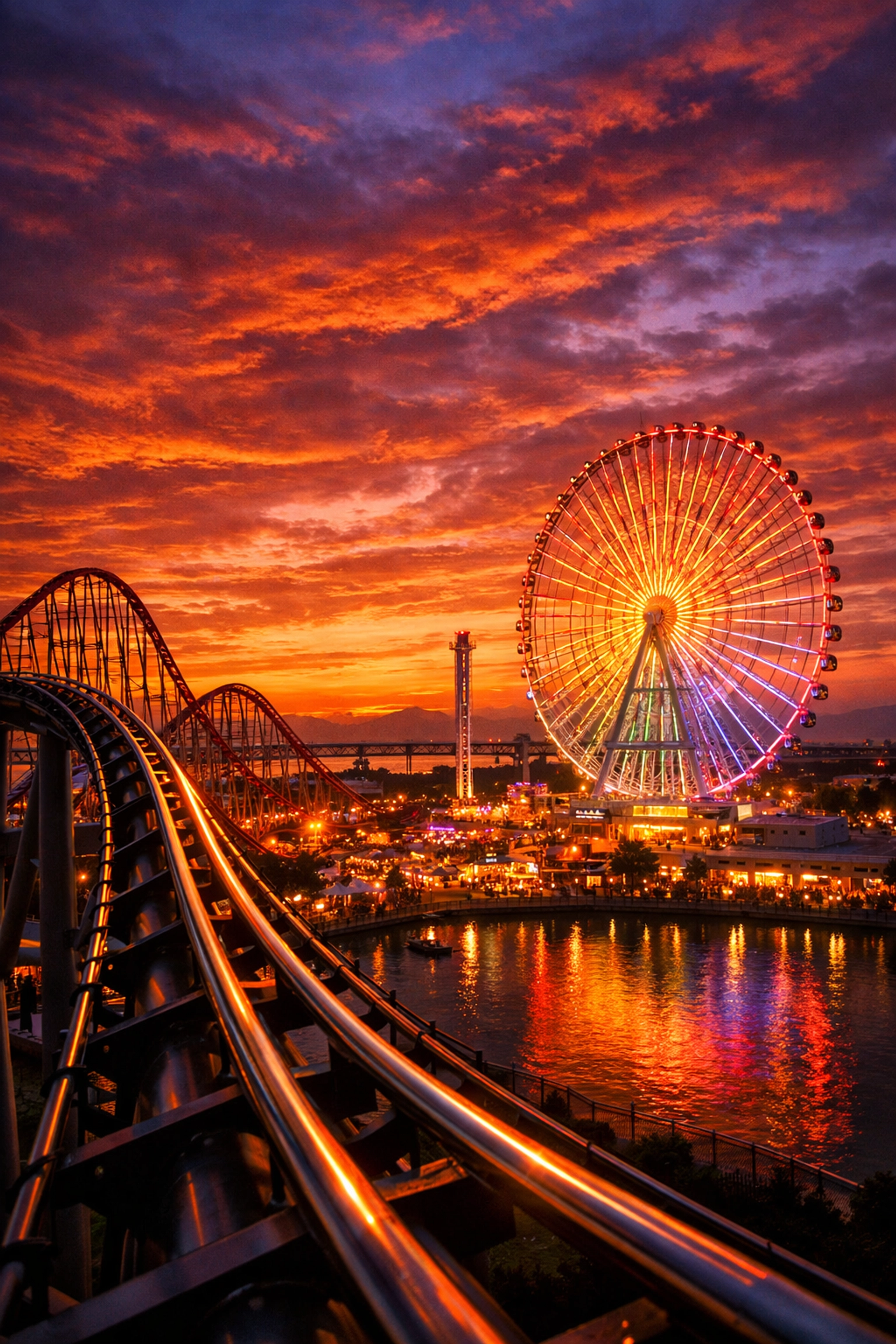
As the sun sets over the water, the steel tracks of the coasters catch the light, turning the park into a glowing grid of oranges and purples. Once the sun is down, the park lights up. If you happen to be visiting during the summer months, the fireworks display starts around 8:00 PM. The "Lawn Square" is the place to be for this. You’ll want a tripod (if the park permits them in your specific area, always check the latest 2026 rules!) and a long exposure to capture the bursts of light behind the silhouette of the Giant Wheel.
Essential Gear for the Park
Don't overpack. I’ve seen photographers lugging around three bodies and six lenses, and by 2 PM, they look like they’ve finished a marathon. Keep it light so you can stay mobile.
- The Versatile Zoom: A 24-70mm is your best friend here. It’s wide enough for the massive coaster footprints and long enough for tighter shots of the cars.
- The Telephoto: A 70-200mm is great for those compressed shots of the Steel Dragon from outside the park gates.
- The Secret Weapon: A good set of filters. The sun can be brutal in Mie, and a circular polarizer will help you cut the glare off the metal tracks and make the sky pop.
For a deeper dive into what I’m carrying this year, take a look at my essential photography gear list. And if you're looking for more gear-specific talk and community vibes, head over to Shut Your Aperture.
Nabana no Sato: The Floral Side Quest
You cannot visit Nagashima Spa Land without walking or taking the shuttle over to Nabana no Sato. It’s one of the most stunning flower parks in Japan. In 2026, their "Illumination" events are world-class.
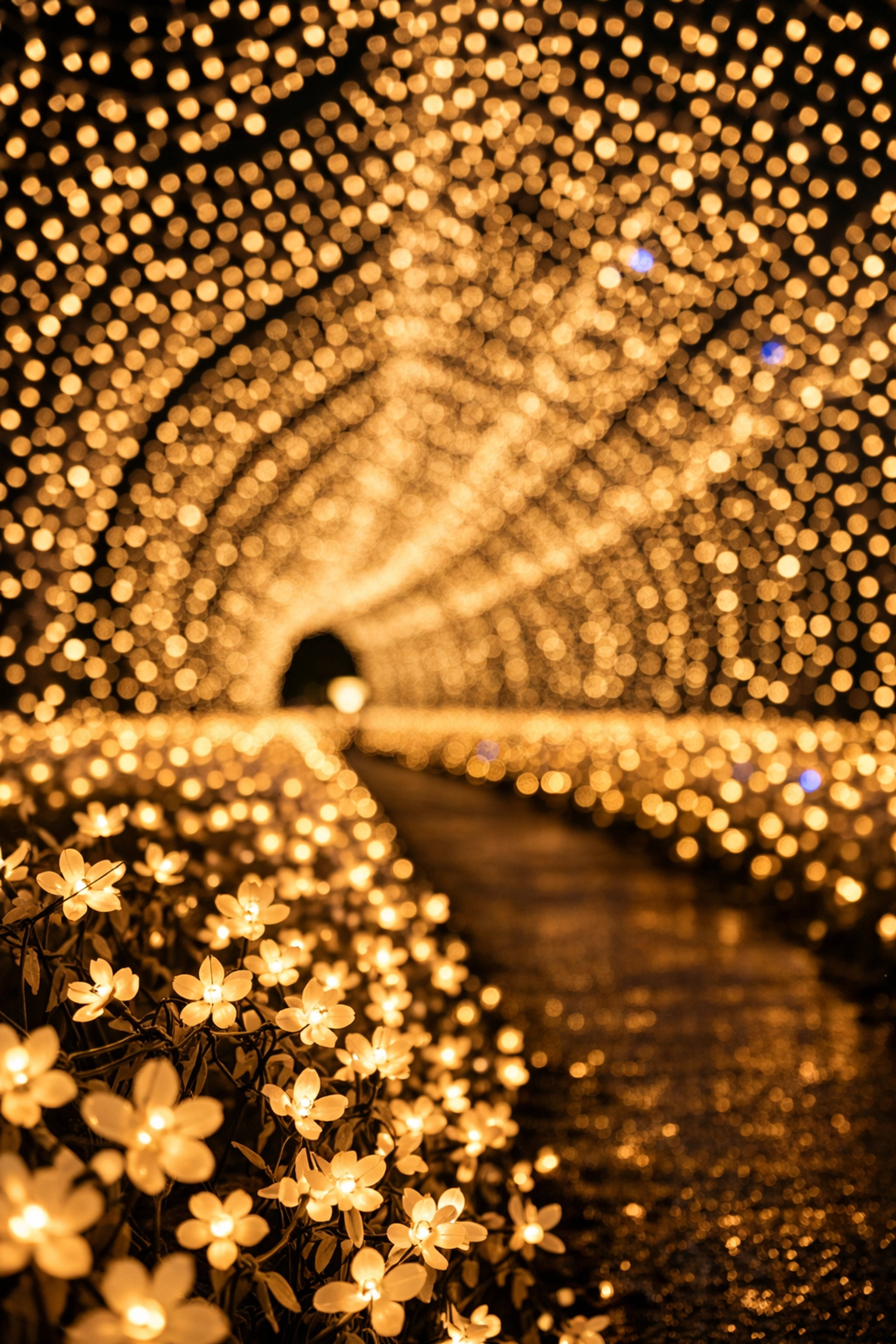
The "Tunnel of Lights" is a classic shot, but it’s often crowded. To get a unique perspective, look for reflections in the water features around the park. It’s a complete shift in vibe from the adrenaline of the coasters, offering a chance for some soft, ethereal landscape photography. This is where you really get to play with bokeh and color theory.
Photography Rules & Etiquette (The Not-So-Fun Part)
I have to be the "dad" for a second here. Japan is very strict about safety, rightfully so.
- No Cameras on Rides: Do not try to sneak a GoPro or a phone onto a coaster. It’s dangerous and will get you kicked out faster than you can say "Hakugei."
- Drone Restrictions: Drones are a big "no" inside the park and the resort area for safety and privacy reasons. Don't even bring it.
- Respect the Guests: Nagashima is a family destination. Be mindful of people's space, and try not to block walkways with your tripod setup.
If you want to see some of my professional work from locations like this, you can check out Edin Fine Art for some inspiration on how to frame commercial-grade travel shots.
Post-Processing Your Nagashima Shots
Once you’ve got your memory cards full, the real work begins. The colors at Nagashima can be a bit chaotic: bright reds, yellows, and blues everywhere. I find that pulling back the saturation on the less important colors and emphasizing the leading lines of the tracks helps create a more "fine art" feel.
If you’re struggling with blown-out skies from a mid-day shoot, you might want to try some sky overlays to bring some drama back into the frame.
Why Nagashima Spa Land is a 2026 Must-Visit
The world of photography is always looking for the next "big thing," but sometimes the classics are classics for a reason. Nagashima Spa Land offers a unique blend of industrial architecture, coastal beauty, and vibrant Japanese culture. It’s a place where you can test your technical skills: motion blur, high-speed tracking, landscape, and night photography: all in one day.
Whether you're looking for cheap weekend getaways from Tokyo or making this a stop on a larger Japanese photography tour, Nagashima will not disappoint. It’s a place that rewards the patient, the creative, and those who aren't afraid of a little vertigo.
For more tips, tricks, and location guides, keep an eye on my personal blog at Edin Chavez. I’m constantly updating it with my latest adventures and the gear that's actually surviving the trip.
Now, grab your gear, book that trip, and I’ll see you at the top of the lift hill (with your camera safely on the ground, of course). Happy shooting!