
Category: Photo Guides
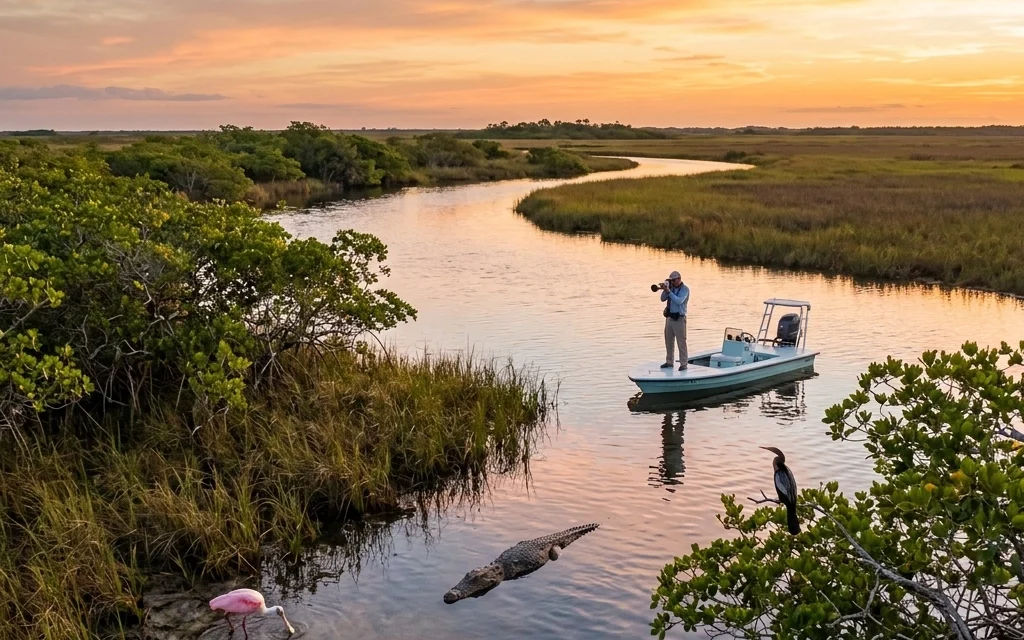
There is a specific kind of magic that happens in the Florida Everglades just before the sun breaks the horizon. The air is thick, the "river of grass" is whispering, and if you’re quiet enough, you realize you aren’t alone. Most people come here expecting to see an alligator or two: and they will: but for a wildlife photographer, the real thrill lies in the shadows. We’re looking for the ghosts: the Florida panther, the elusive American crocodile, and the prehistoric West Indian manatee.
Spotting these rare species isn’t just about luck; it’s about understanding the rhythm of the swamp. If you show up without a plan, you’ll likely go home with a memory card full of great (but common) heron shots. If you want the rare stuff, you need a strategy. This guide is built from years of trekking through the muck to help you find and photograph the Everglades' most secretive residents.
Timing is Everything: The Power of the Dry Season
If you take only one piece of advice from this post, let it be this: come during the dry season. From November through April, the Everglades transforms. As the water levels drop, the vast "river of grass" begins to shrink into isolated puddles and deep-water holes.
For a photographer, this is a goldmine. Wildlife that is usually spread out across thousands of miles of sawgrass is suddenly forced into the same small ponds. This concentration makes spotting rare species significantly easier. Plus, the cooler weather means fewer mosquitoes and more active mammals during the day.
When the water is high in the summer, the animals vanish into the backcountry. But in the winter, they come to you. To truly master these conditions and know exactly which waterholes are hitting, I highly recommend grabbing the Everglades Photography Guide. It’s designed to save you the days of scouting I had to do myself.
Hunting the "Ghost of the Swamp": The Florida Panther
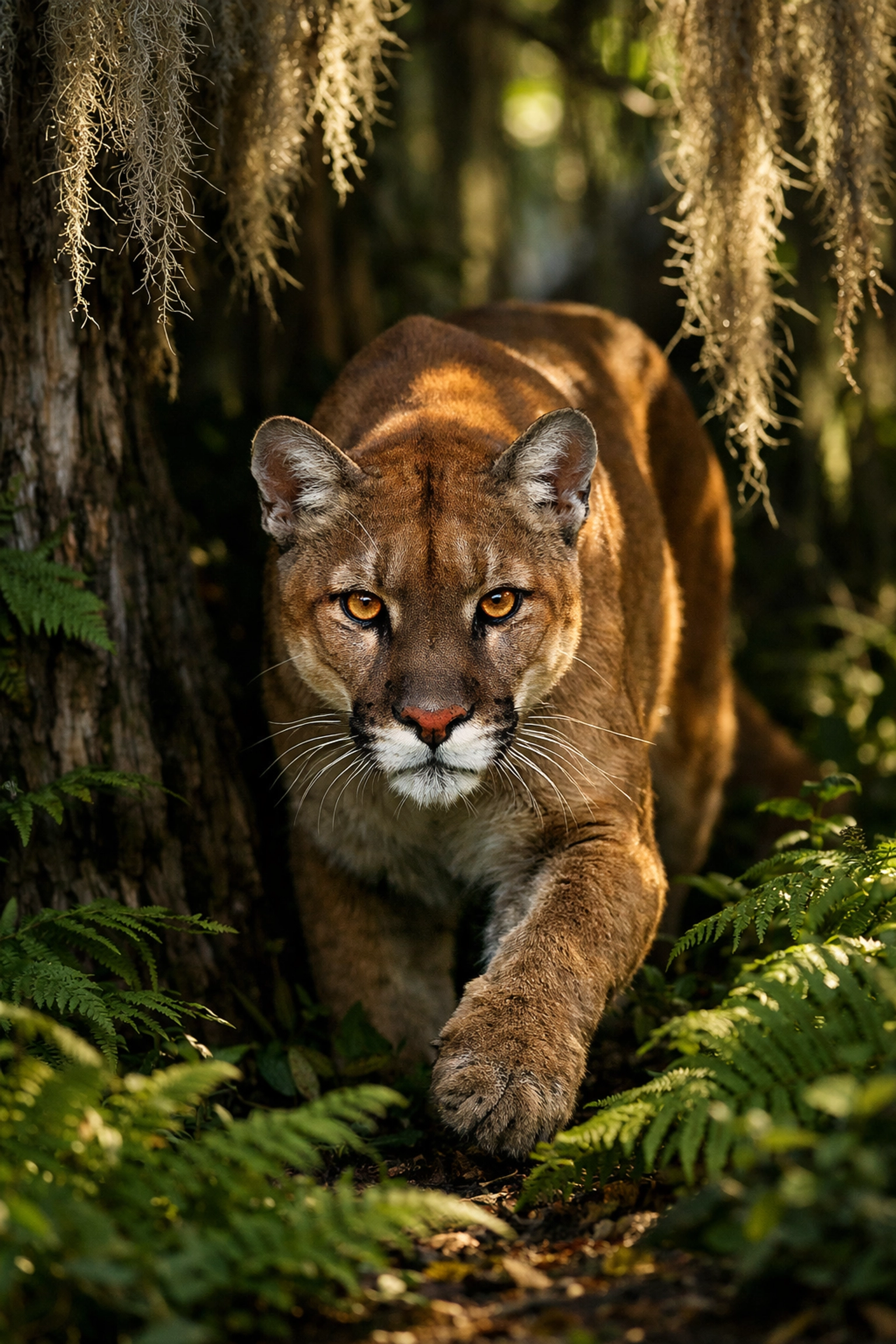
The Florida panther is the "holy grail" of Everglades photography. With only around 200 left in the wild, seeing one is a once-in-a-lifetime event. Most sightings happen in the Big Cypress National Preserve, which sits just north of the main Everglades National Park.
Big Cypress is more rugged and less visited, offering the kind of dense cover these big cats love. If you’re serious about a panther encounter, you need to spend time on Loop Road. This 24-mile stretch of road (mostly dirt and gravel) is famous for panther track sightings.
The trick here is patience and low light. Panthers are most active at dawn and dusk. Drive slowly: very slowly: and keep your eyes on the edges of the cypress strands. Even if you don't see a cat, the landscape photography opportunities here are stunning. You can see some of my favorite captures from this area over at Edin Fine Art.
The American Crocodile vs. The Alligator
Many visitors don't realize that the Everglades is the only place on Earth where alligators and crocodiles coexist. While alligators are everywhere, the American crocodile is much rarer and more reclusive.
To find them, you need to head south to Flamingo. This area, where the freshwater of the Glades meets the saltwater of Florida Bay, is the crocodile's preferred habitat. Look for them basking on the banks of the canals or near the marina. They have a narrower, V-shaped snout and a lighter, grayish-green color compared to the black, U-snouted alligator.
When photographing these prehistoric giants, I always suggest staying low. Getting down to eye level (from a safe distance, of course) creates a much more intimate and powerful composition. If you’re looking for more tips on composition and technical settings, our educational category has some great deep dives into wildlife technique.
The Gentle Giants: West Indian Manatees
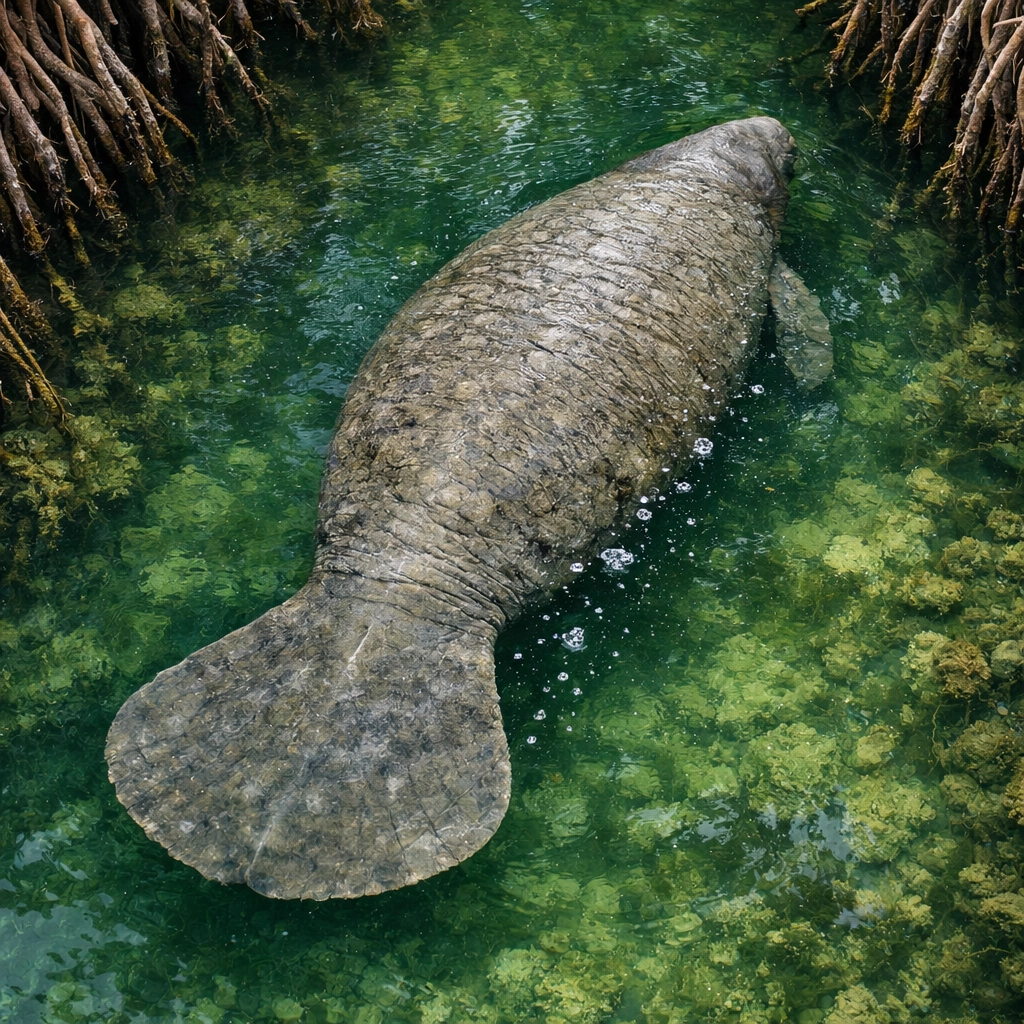
Manatees are the soul of the Florida waterways. During the dry season, they seek out the deeper, warmer brackish waters. The canals around Flamingo are again your best bet here.
Photographing manatees can be tricky because they spend most of their time underwater. Look for "manatee footprints": smooth circles on the water's surface caused by their tails as they swim. To get a clear shot, you absolutely need a circular polarizing filter. This is an essential piece of photography gear for the Everglades. It cuts through the surface glare of the water, allowing you to see the manatee’s form beneath the surface.
Essential Gear for the Rare Find
You don't need to break the bank, but you do need the right tools for this specific environment. The Everglades is vast, and rare wildlife is often shy.
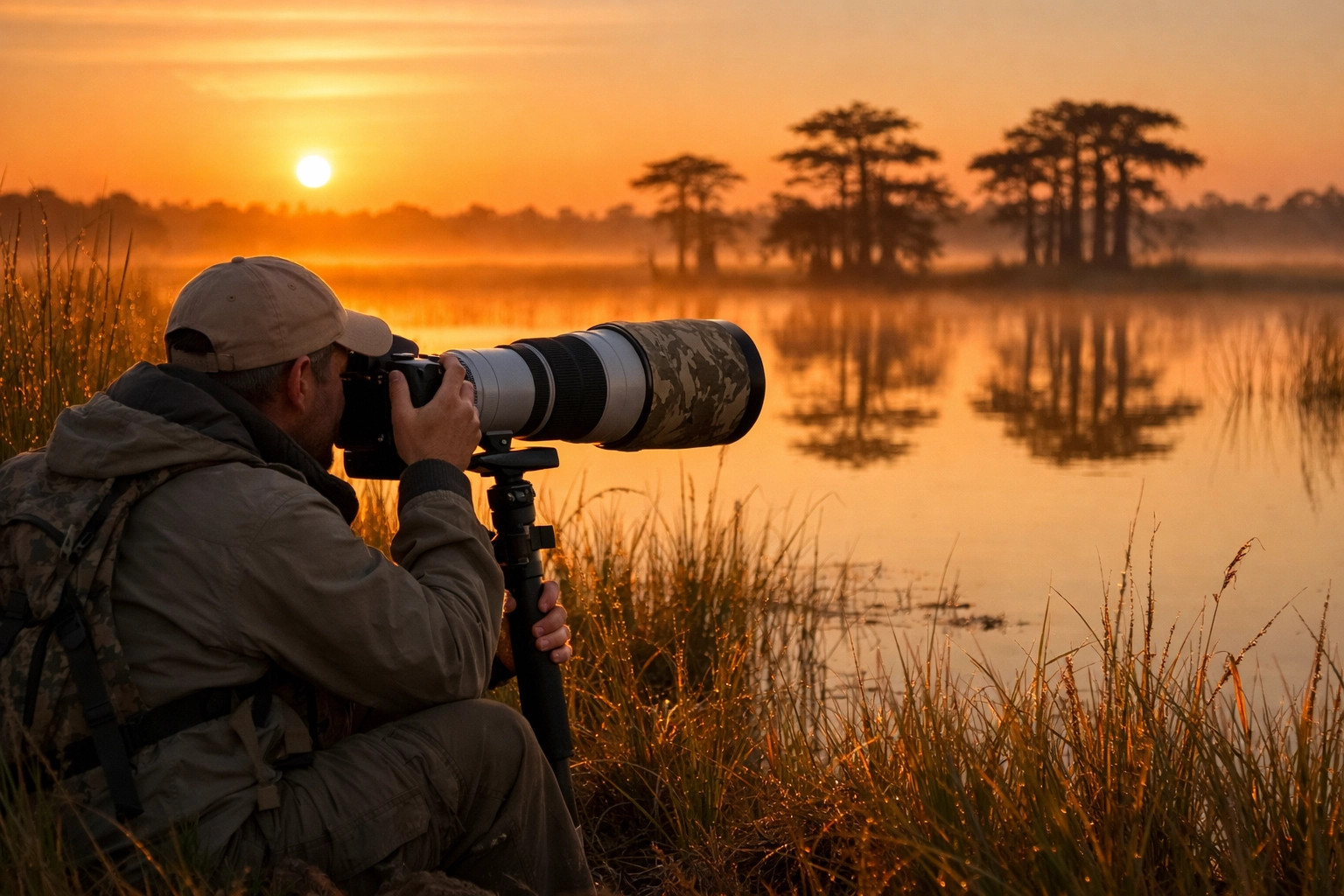
- Lenses: A 300mm or 400mm lens is the baseline. If you’re shooting birds or a distant panther, a 600mm is even better. However, don't leave your 70-200mm at home. Sometimes a crocodile or a manatee will be right at the water's edge, and you’ll want that flexibility for environmental portraits.
- Stability: A tripod is great, but in the tight confines of a boardwalk or a muddy trail, a monopod can be a lifesaver. It gives you the stability you need for those low-light dawn shots without the bulk.
- Protection: The Everglades is humid and unpredictable. I always carry waterproof gear covers. If you're curious about the latest weather-sealed bodies, check out the camera reviews 2024 on our site.
- The "Expert in Your Pocket": Seriously, the Everglades Photography Guide is the best "gear" you can buy. It’s the difference between wandering aimlessly and knowing exactly where the rare species were spotted last week.
Stealth and Ethics: The Professional Approach
When you’re hunting for rare species, your behavior matters as much as your camera settings. These animals are rare because they are sensitive to their environment.
- Be Quiet: Turn off your camera beeps. Avoid loud talking. Wildlife can hear you long before you see them.
- Use the Golden Hour: Not only is the light better for your sensor, but this is when rare mammals are most active. Arrive at your spot before the sun comes up.
- Stay Low and Still: If you find a spot where you think an animal might appear (like a waterhole in Big Cypress), sit down and wait. Often, the wildlife will "accept" your presence if you aren't moving toward them.
If you want to connect with other photographers who spend their weekends in the muck, join the conversation at Shut Your Aperture. It’s a great community for sharing sightings and gear tips.
Strategic Locations to Bookmark
While the whole park is beautiful, these are the high-probability zones for rare finds:
- Loop Road (Big Cypress): Best for panthers, black bears, and amazing cypress forest backdrops.
- Flamingo Marina and Trails: The go-to spot for American crocodiles and manatees.
- Anhinga Trail: While famous for common wildlife, early morning here can occasionally yield surprises like the elusive Everglades mink.
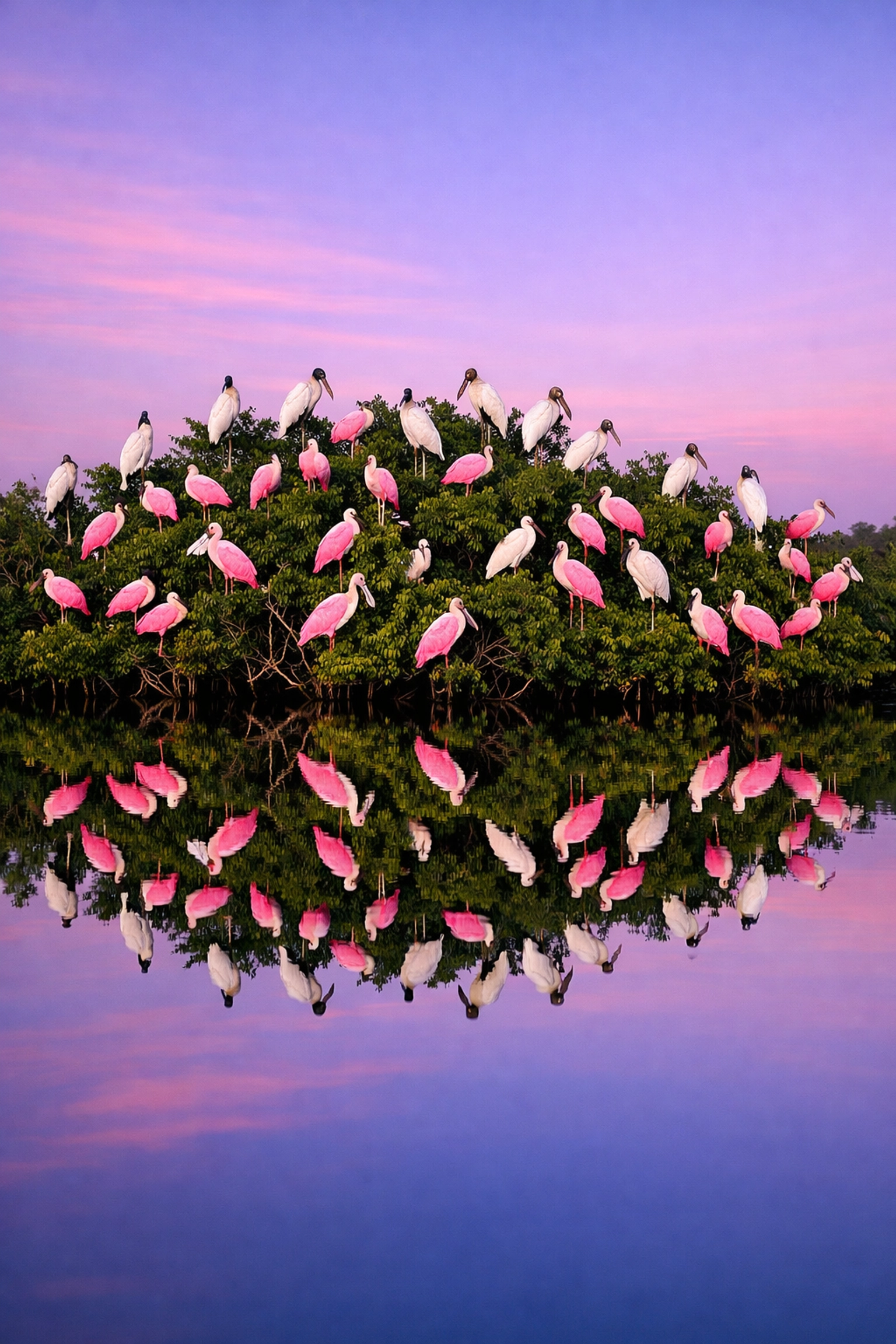
- Paurotis Pond: A spectacular spot for rare roseate spoonbills and wood storks, especially during nesting season.
Final Thoughts
The Everglades isn't a zoo; it’s a living, breathing, and sometimes difficult ecosystem. But that’s exactly why the photos are so rewarding. When you finally lock focus on a Florida panther or catch the eye of a crocodile through your viewfinder, the heat and the mosquitoes don't matter anymore.
If you’re planning a trip and want to make sure you come back with professional-grade shots, don't forget to check out the full Everglades Photography Guide. It’s packed with GPS coordinates, seasonal tips, and specific strategies for every major species in the park.
For more inspiration on what’s possible in the world of professional photography, head over to my main blog. The swamp is waiting( go see what you can find.)













