Category: Foodies
So, you’ve finally booked that ticket to Tokyo. Your bags are packed, your camera batteries are charging, and you’ve probably watched three dozen YouTube videos of people eating things you can’t pronounce. Welcome to the club! I’m Edin Chavez, and if there is one thing I love as much as a perfectly composed landscape shot, it’s a bowl of ramen so good it makes me want to write a poem.
Tokyo isn't just a city; it’s a 24-hour buffet disguised as a metropolis. But let’s be real, planning a 14-day food itinerary in a city with over 160,000 restaurants is enough to give anyone a minor panic attack. Don’t worry, Photoguides has your back. We’re going to break down your two-week culinary pilgrimage neighborhood by neighborhood, dish by dish.
Grab your chopsticks and let’s dive in.
Days 1-2: Shinjuku, Neon Lights and Hidden Izakayas
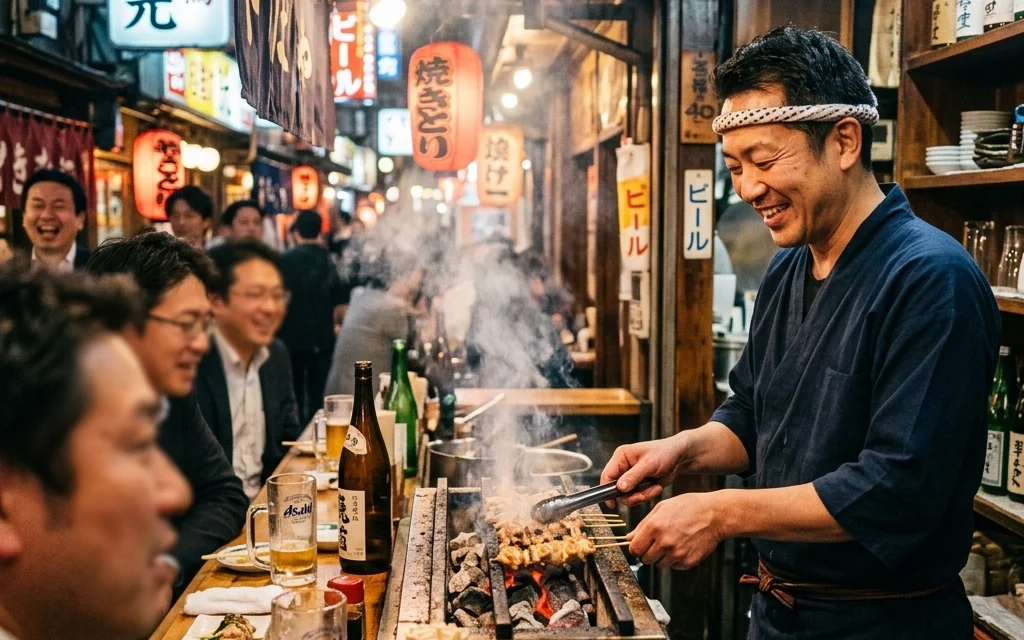
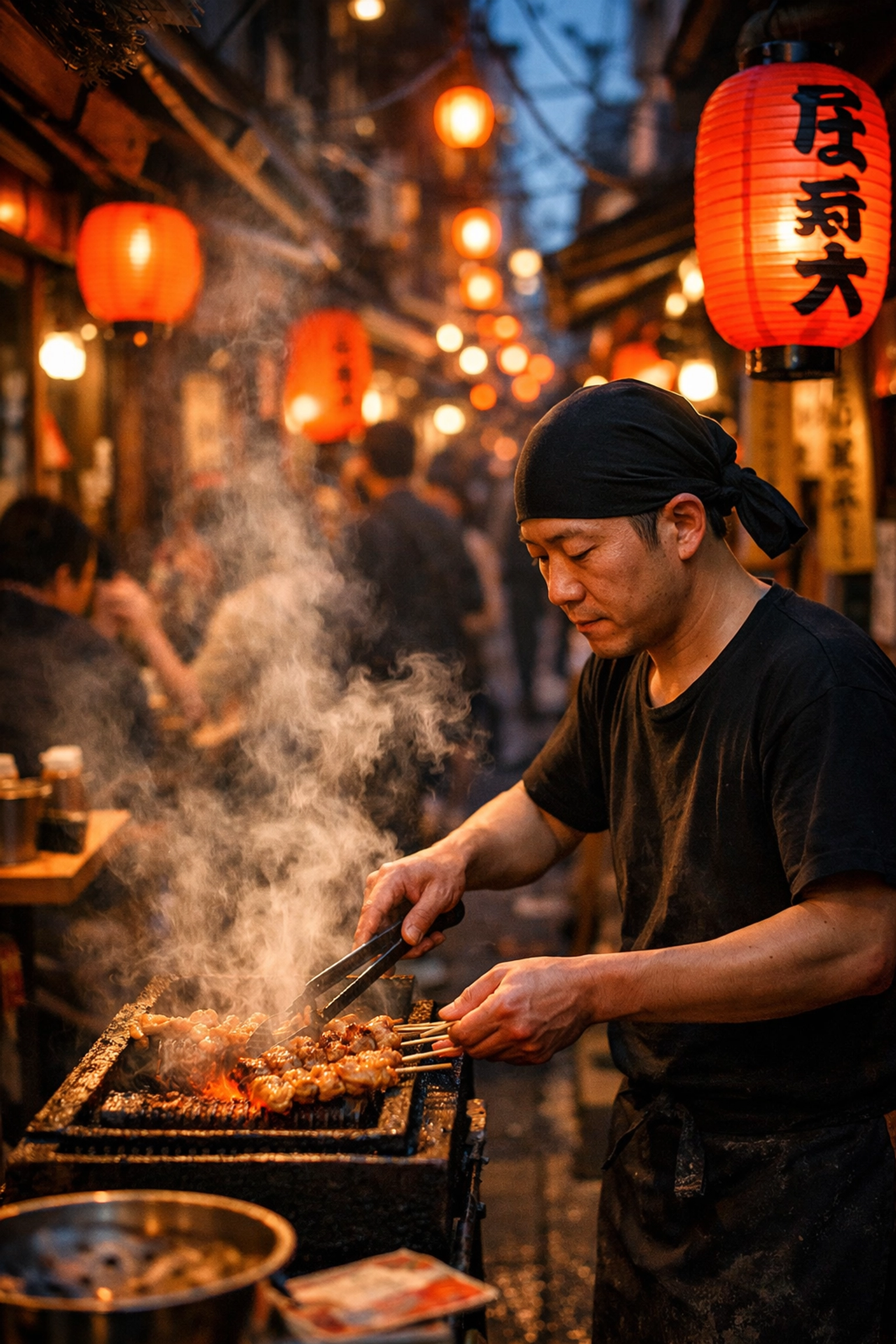
Your first 48 hours will likely be a blur of jet lag and wide-eyed wonder. Shinjuku is the perfect place to lean into the chaos. Start your journey at Omoide Yokocho, affectionately known as "Piss Alley." Don’t let the name scare you off; it’s a narrow alleyway packed with tiny stalls serving the best yakitori (grilled chicken skewers) you’ll ever have.
Since you'll probably be lugging around some essential photography gear, this is a great spot to practice your low-light street photography. The smoke from the grills and the glow of the lanterns are a dream for any creator. After you've had your fill of skewers, head over to Golden Gai for a drink in a bar that barely fits six people.
Pro Tip: Navigating these tiny alleys can be intimidating. To find the real hidden gems without feeling like a lost tourist, I highly recommend booking a Shinjuku Night Food Tour through Viator.
Days 3-4: The Seafood Pilgrimage (Tsukiji & Toyosu)
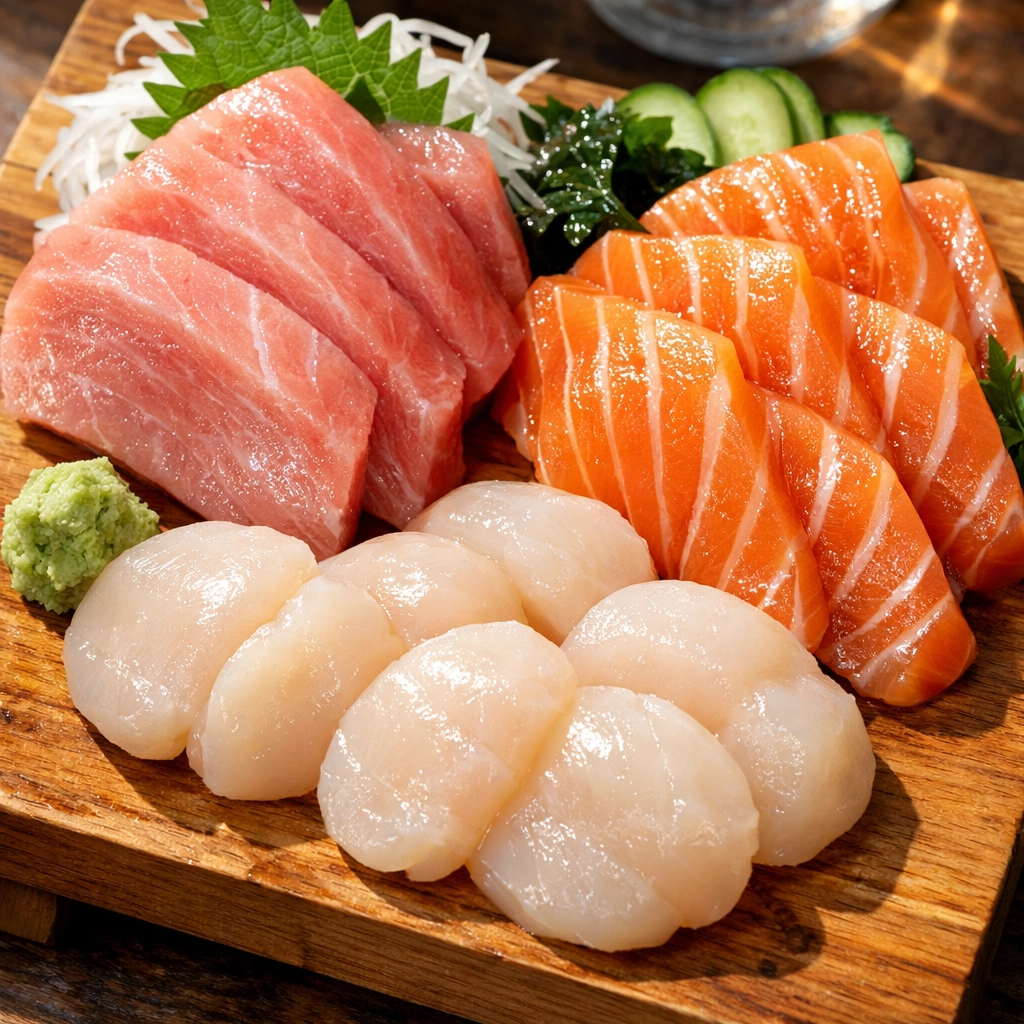
You can’t come to Tokyo and not eat fish that was swimming just a few hours ago. While the inner wholesale market moved to Toyosu, the Tsukiji Outer Market is still very much alive and delicious.
Spend your morning wandering through stalls selling everything from tamagoyaki (sweet omelets) on a stick to giant grilled scallops topped with uni (sea urchin). It’s a sensory overload in the best way possible. If you want to see the famous tuna auctions, you’ll need to head to Toyosu early, like, 5:00 AM early.
For the ultimate experience, take a Tsukiji Market Food and Culture Tour to ensure you’re hitting the stalls that the locals actually trust. It’s a great way to learn about the history of the area while stuffing your face with the freshest sashimi on the planet.
Days 5-6: Harajuku’s Sugar High & Ginza’s Golden Standard
Time to pivot from savory to sweet: and then back to very, very fancy.
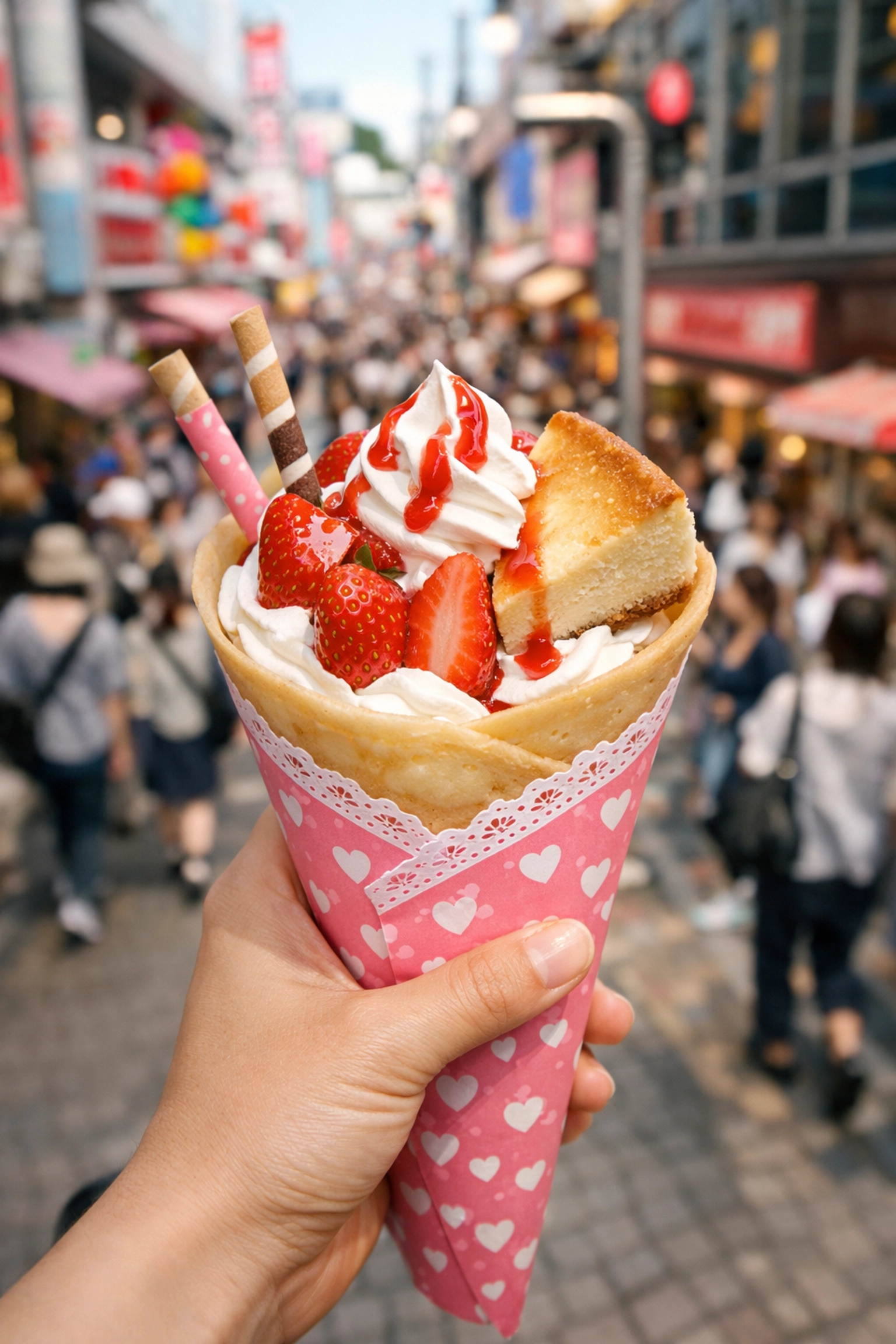
Harajuku is famous for its street food. Walk down Takeshita Street and grab a giant, colorful crepe or some "rainbow" grilled cheese. It’s loud, it’s bright, and it’s perfect for your Instagram feed. If you’re looking to sharpen your social media game, check out some of our photography booking experiences to find a local pro who can help you capture the vibe.
On Day 6, put on your Sunday best and head to Ginza. This is the home of high-end sushi. We’re talking Michelin stars and "Jiro Dreams of Sushi" vibes. Booking a seat at a top-tier sushi counter requires planning months in advance, but the payoff is a culinary performance you’ll never forget.
If you want a curated Ginza experience without the stress of making reservations in Japanese, check out these Ginza food tours.
Days 7-8: Akihabara Themed Cafes & Asakusa Tradition
By Day 7, you might want something a little… weird. Enter Akihabara. Known as "Electric Town," it’s the heart of otaku culture. This is where you’ll find themed cafes ranging from Maid Cafes to Owl Cafes. While the food is often secondary to the "performance," it’s a quintessentially Tokyo experience.
Contrast that with Asakusa on Day 8. This is "Old Tokyo." Visit the Senso-ji Temple and then explore the surrounding streets for traditional snacks like senbei (rice crackers) and melonpan (sweet bread). For dinner, try unagi (freshwater eel): Asakusa has some of the oldest unagi restaurants in the city.
For a deep dive into the history of these neighborhoods, a guided Asakusa food tour is the way to go.
Day 9-10: Ramen Hunting and Mount Fuji Spirits
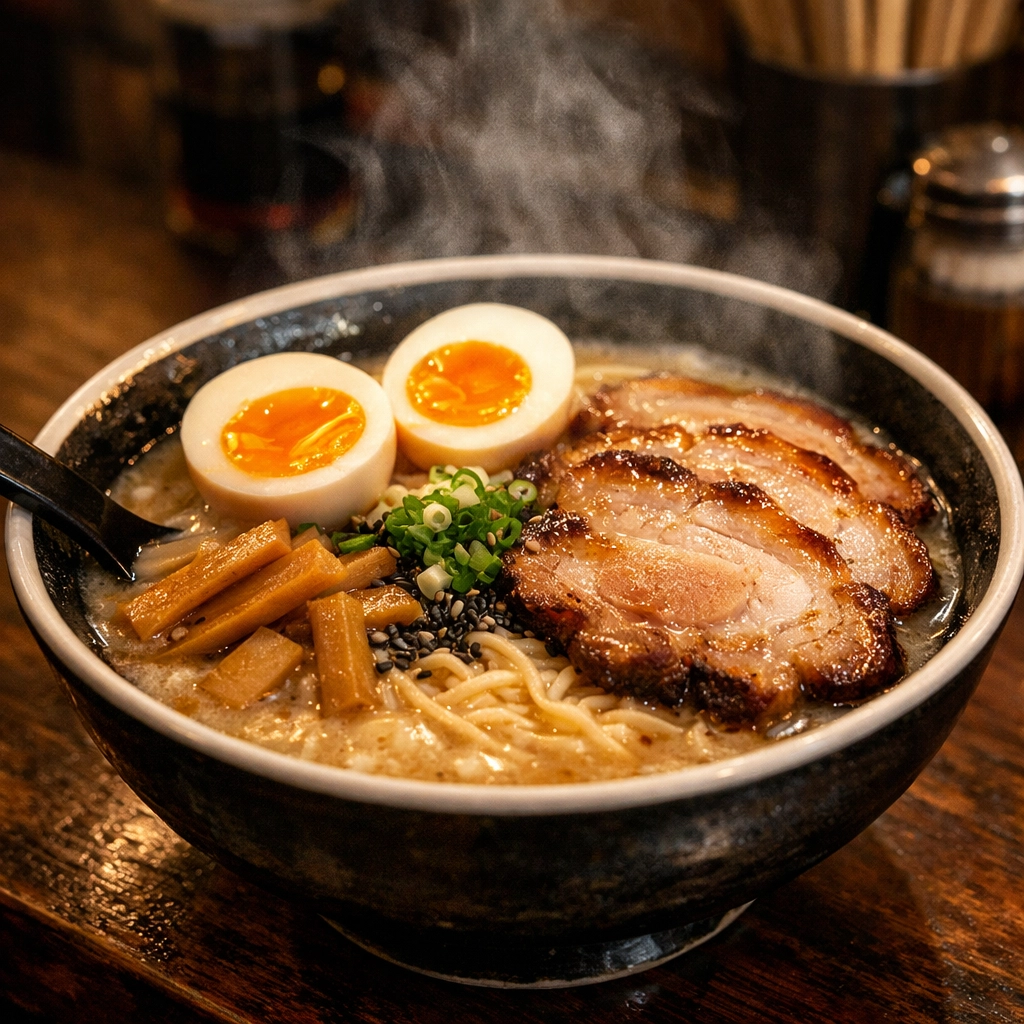
You haven't truly lived until you've stood in a 45-minute line for a bowl of ramen. Head to Tokyo Ramen Street inside Tokyo Station for a one-stop shop of the city's best styles, from creamy tonkotsu to dipping-style tsukemen. If you're looking for more travel inspiration outside the city, you might enjoy reading about Miami's hidden speakeasies or other cheap weekend getaways for your next trip.
On Day 10, take a break from the urban sprawl with a day trip to Mount Fuji. But we aren't just going for the view (though it is spectacular: bring your wide-angle lens!). Visit the Fuji Gotemba Distillery for some world-class Japanese whisky.
If you want to combine sightseeing with great food and drinks, book a Mount Fuji day tour with a food focus here. For more on capturing the perfect landscape, see my work at Edin Fine Art.
Days 11-12: Shibuya Vibe & The Art of Kaiseki
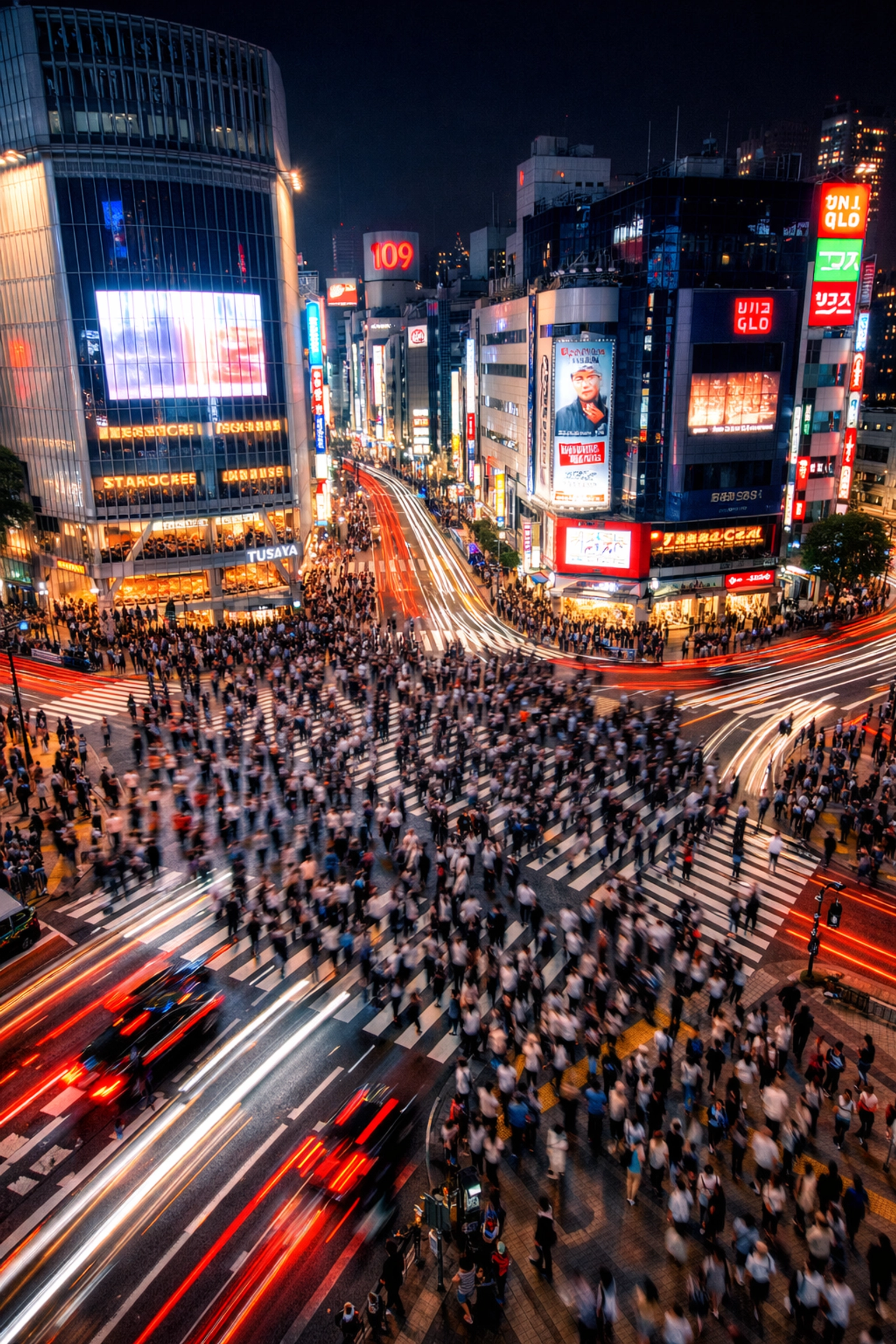
Shibuya is more than just a crossing; it’s a food mecca. Explore the Depachika (department store basements) under Tokyu or Seibu. These are high-end food halls where the displays look like fine art. You can find everything from $100 melons to perfectly boxed bento sets. It’s a great place to pick up gifts: or a very expensive snack.
For Day 12, treat yourself to Kaiseki. This is traditional Japanese multi-course dining that balances taste, texture, and appearance. It’s a slow, meditative experience that stands in stark contrast to the rush of Shibuya. If you want to learn more about the technical side of capturing these beautiful plates, check out Shut Your Aperture for gear and technique tips.
Experience the best of Shibuya's food scene with a local expert on this Viator tour.
Days 13-14: Yakiniku, Souvenirs, and Final Bites
As your 14-day adventure winds down, it’s time for a carnivore’s delight: Yakiniku (Japanese BBQ). Head to Ebisu or Minato and grill your own wagyu beef right at your table. The fat marbling on A5 wagyu is so intense it literally melts at room temperature.
Spend your final day revisiting your favorites. Maybe one last bowl of ramen, or a final trip to a convenience store (Lawson’s egg salad sandwiches are legendary for a reason). If you’re looking for other global food inspirations, check out our guides on restaurants in downtown Golden or breakfast places in Cape Coral.
Before you head to the airport, make sure you've captured all your memories. If you need help post-processing those vibrant Tokyo street shots, our sky overlays can add that extra "oomph" to your cityscapes.
Practical Tips for Your Tokyo Food Adventure
- Cash is King: While things are changing, many of the best "hole-in-the-wall" spots still only take yen. Keep your wallet stocked.
- Learn the Etiquette: No tipping! It’s actually considered rude. Also, try not to eat while walking; it’s generally frowned upon unless you’re in a specific street-food area like Harajuku.
- Book Ahead: For high-end sushi or kaiseki, use a concierge or a booking service.
- Stay Reassured: Tokyo can feel overwhelming, but the people are incredibly helpful. Even if you don't speak Japanese, a smile and a "gochisousama-deshita" (thank you for the meal) go a long way.
Tokyo is a city that rewards the curious and the hungry. Whether you’re shooting the neon lights for your online business or just looking for the best meal of your life, this city never fails to deliver.
Don't forget to document every bite. For more travel and photography insights, keep up with my latest adventures over at Edin Chavez's Blog.
Ready to start your Tokyo food journey? Make sure you don't miss a single bite by booking your food tours through Viator today. Happy eating!